Why More Adults 45+ Are Rediscovering Joy, Connection, and Vitality Through Argentine Tango
Discover why Argentine Tango is becoming a powerful source of joy, connection, and renewed vitality for adults aged 45 and over.
TANGOMINDFULNESS
Dr. Jutta Lenz
3/31/20264 min read
How Tango Brings Connection, Vitality, and a New Quality of Life
There comes a point in life when many people begin searching for something more. Not necessarily more success, money, or achievement, but something deeper—more meaning, more joy, more connection, and a greater sense of being fully alive.
For a growing number of adults over 45, Argentine Tango has become an unexpected answer.
At first glance, tango may seem like just another dance. Beautiful music, elegant movement, and perhaps a touch of romance. Yet those who step into the world of Argentine Tango often discover that it offers far more than learning a few dance steps. With the guidance of a skilled teacher, it quickly becomes clear that tango is about presence, awareness, and genuine human connection. Perhaps that is why so many people are discovering tango later in life.
A Dance That Welcomes You Exactly As You Are
One of the most common questions people ask is, "Am I too old to learn tango?" The answer is simple: absolutely not.
Unlike many physical activities that depend heavily on speed, athletic ability, or competition, Argentine Tango values qualities that often deepen with age—awareness, musicality, patience, and connection. People begin dancing tango in their forties, fifties, sixties, and beyond, often finding that their life experience becomes one of their greatest assets.
Emotional maturity, the ability to listen, and a deeper understanding of relationships are not disadvantages in tango. They are strengths. In fact, they help dancers appreciate the richer and more meaningful aspects of the dance. Tango does not ask you to be perfect. It simply invites you to arrive as you are.
More Than Exercise—A Path to Vitality
Many adults are looking for ways to stay active and healthy, but traditional forms of exercise do not always nourish the mind and spirit at the same time. Tango offers something different.
It combines movement, balance, coordination, posture, music, creativity, and social interaction into one rewarding experience. As you dance, your body becomes more flexible, responsive, and aware, while your mind remains focused and engaged.
Many dancers notice improvements in balance, posture, mobility, coordination, memory, and overall wellbeing. Yet the greatest benefits are often the ones that cannot be measured. Tango has a remarkable ability to make people feel alive.
There is a unique sense of joy that comes from moving to music, connecting with another person, and becoming fully present in the moment. Many dancers jokingly describe tango as a happiness addiction—something that is difficult to understand until you experience it for yourself.
The Power of Human Connection
Modern life has become increasingly digital. Although we are more connected online than ever before, many people still experience loneliness or a longing for genuine human interaction. Argentine Tango offers a rare opportunity to reconnect.
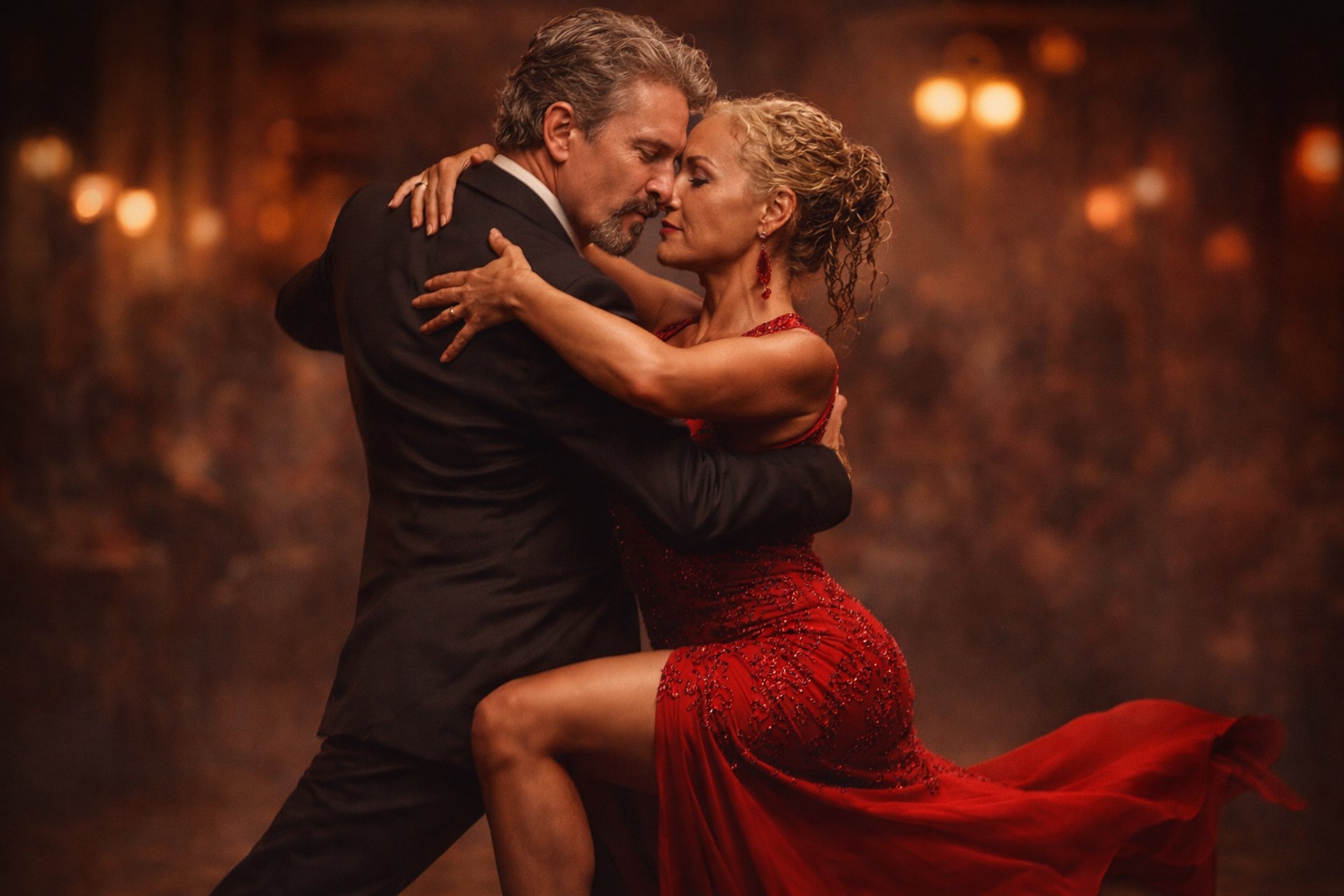
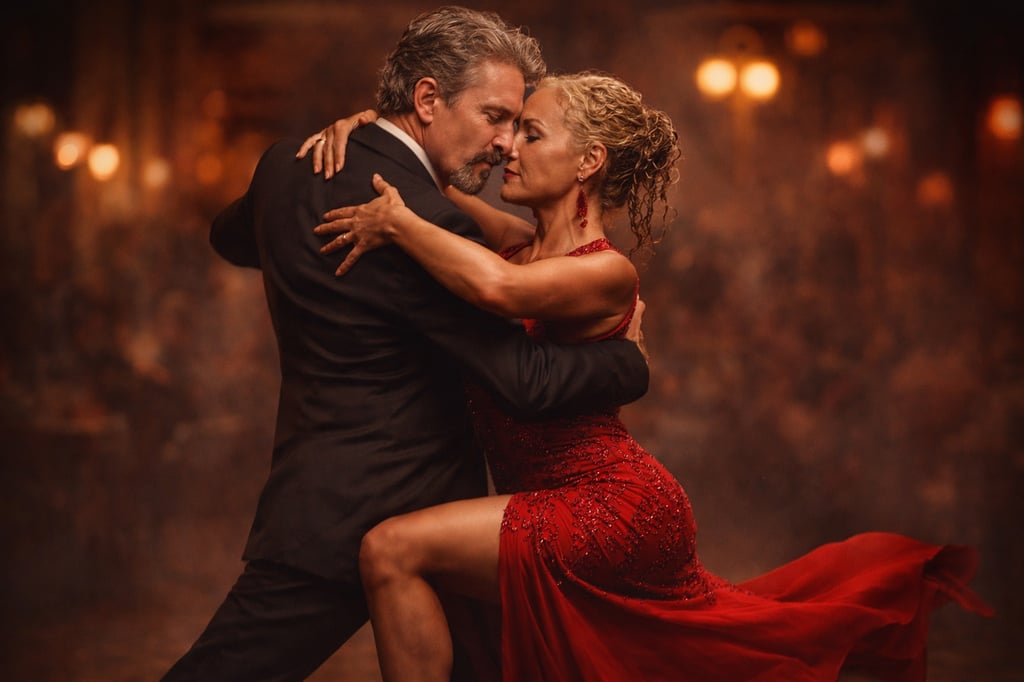
At the heart of tango is the embrace, known as the abrazo. Within this embrace, two people communicate without words. Through listening, sensitivity, and shared awareness, they move together as one. There is no need to impress anyone. No need for performance or small talk. Only presence. This simple yet profound experience of connection is one of the reasons tango touches people so deeply.
Whether you are single, in a relationship, or simply looking to expand your social circle, tango communities and milongas often become places where friendships form naturally and people experience a genuine sense of belonging.
Tango as Mindfulness in Motion
Many people are drawn to mindfulness and meditation because they help reduce stress and create a sense of calm. Yet sitting still is not always easy. Tango offers another path.
When dancing tango, your attention naturally shifts into the present moment. Your awareness settles on the music, your breathing, your balance, and your connection with your partner. Thoughts about yesterday and worries about tomorrow begin to fade. Many dancers, myself included, describe tango as a form of moving meditation. Not because it removes life's challenges, but because it creates moments of calm, focus, and clarity within them.
It is important to note that this is very different from the highly choreographed stage performances often seen in shows. While performance tango can appear fast-paced and technically demanding, social Argentine Tango—the form danced by millions of people around the world—is centred on connection, communication, and shared experience. This mindful quality makes tango especially appealing to people seeking not only physical activity but also emotional balance and inner wellbeing.
Learning, Growing, and Beginning Again
Starting something new later in life takes courage. Yet it can also be one of the most rewarding decisions we ever make. Argentine Tango reminds us that learning never truly ends. Every dance is an opportunity to discover something new. Every partner teaches us something different. Every step encourages curiosity rather than perfection. For many adults over 45, tango becomes much more than a hobby. It becomes a journey of personal growth, a rediscovery of creativity, renewed confidence, and a reminder that life still holds wonderful surprises.
Discover Tango for Yourself
Perhaps you have always been curious about tango. Or perhaps you are simply looking for an activity that combines movement, music, connection, and joy. Argentine Tango may be far more than you expect. It is not just a dance. It is an experience of presence, vitality, friendship, and human connection.
At A Kind of Tango, we welcome both complete beginners and experienced dancers into a warm, supportive environment. Through our weekend seminars and private lessons, learning becomes enjoyable, confidence grows naturally, and meaningful connections are created along the way. Your first step may be closer than you think.
